When prototyping orchestration tools was not a good idea
Sometimes missing the sweet spot between what you want to do and the maturity of the technology you rely on can kill a project before it goes out of your Figma.
It’s December 2023. My presentations already looked like that.
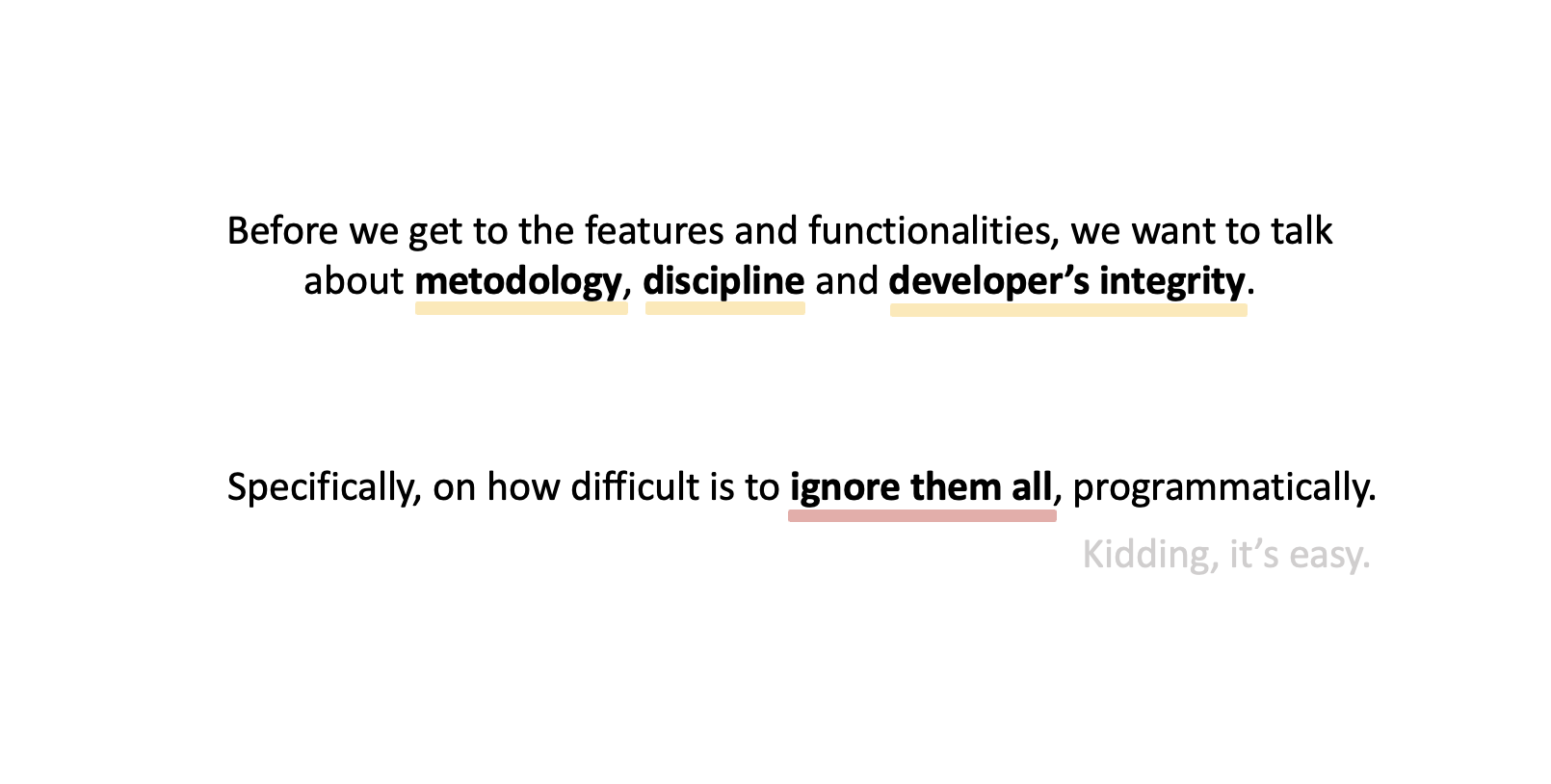
We were in the early period of what would become “vibe coding.” You could ask an LLM to generate code and it would produce something. Extremely buggy, yes, but also profoundly entertaining.
Of course, everyone around me was dismissing it as childish. “It will never code like a real developer,” they said.
Still, I kept circling back to the idea. Not vibe coding per se, but rapid prototyping. That’s what we were discussing during my time at Axel Springer.
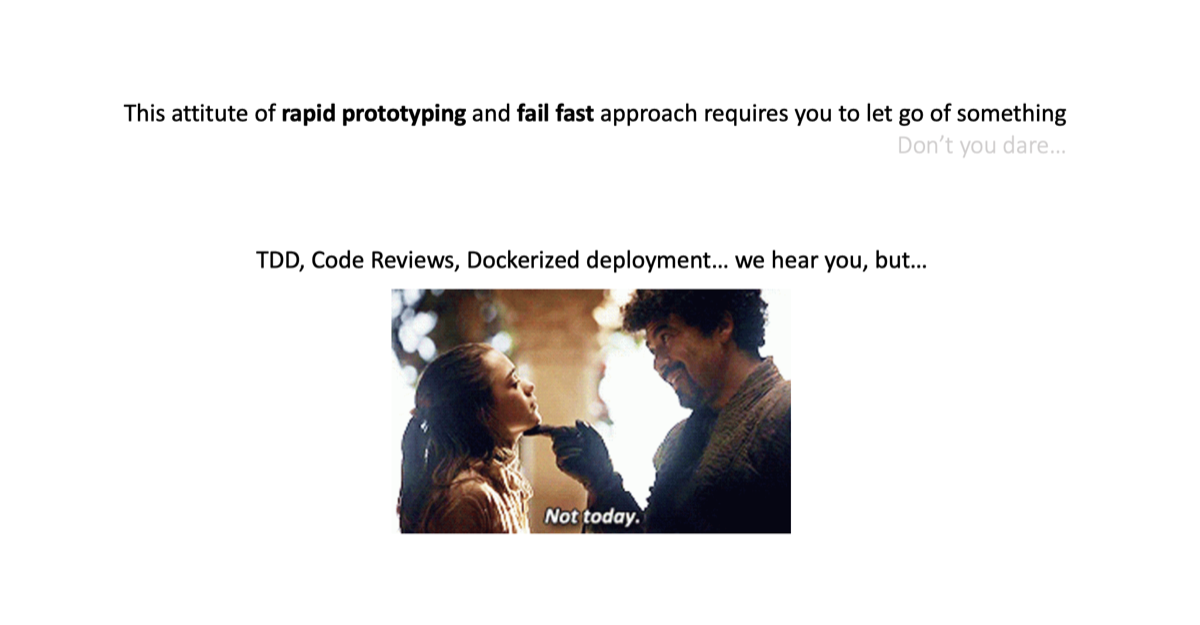
After all, time to market was our priority. We were integrating the first AI capabilities into editorial tools, and many ideas were scaffolded in days, only to be thrown away shortly after.
In this context, a few concepts were, apparently, ahead of their time. Not because they weren’t technically feasible, but because they weren’t easy to sell.
What you see below is one of many prototypes that never made it out of Figma. This one was sarcastically called “The Paperclip Maximizer,” a reference to Nick Bostrom’s famous thought experiment.
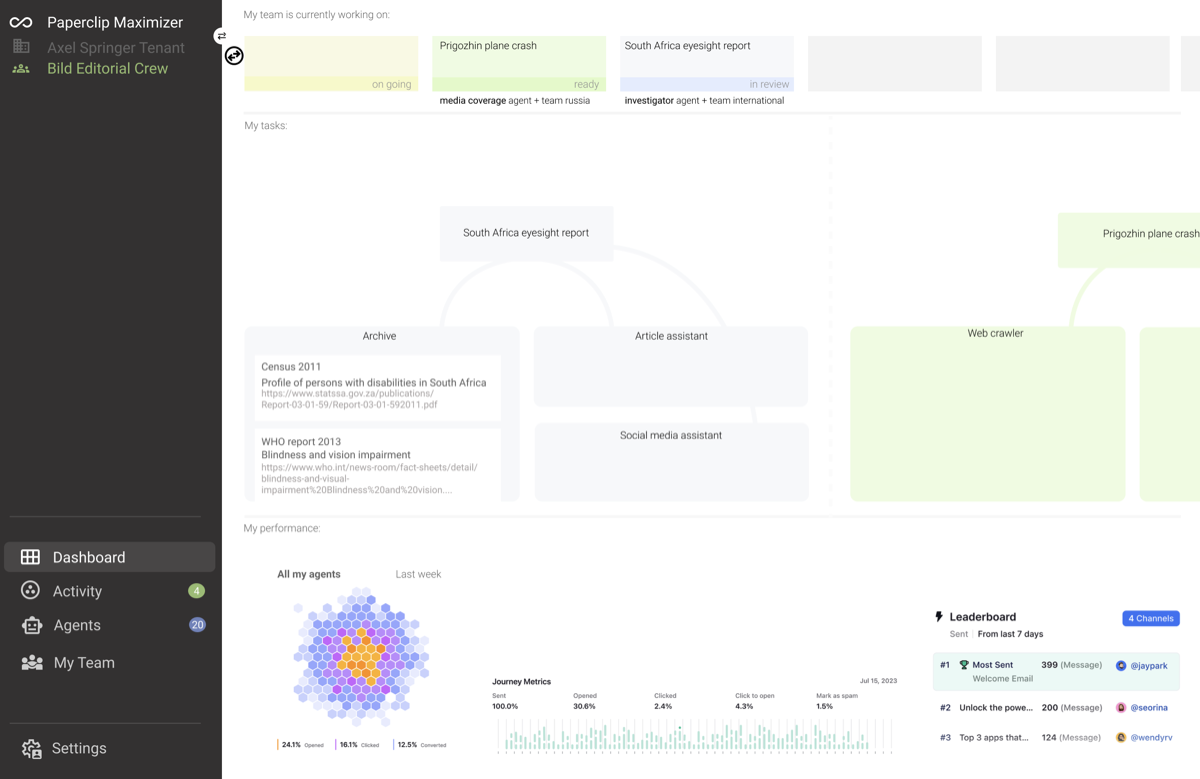
As you can see, we were already deeply exploring how to harness “agents.” We had even envisioned hundreds of them running in parallel, ranked within the company by success rate, collaborative environments where journalists worked alongside machines—collecting information, processing data, refining insights, making sense of it all through investigative rigor.
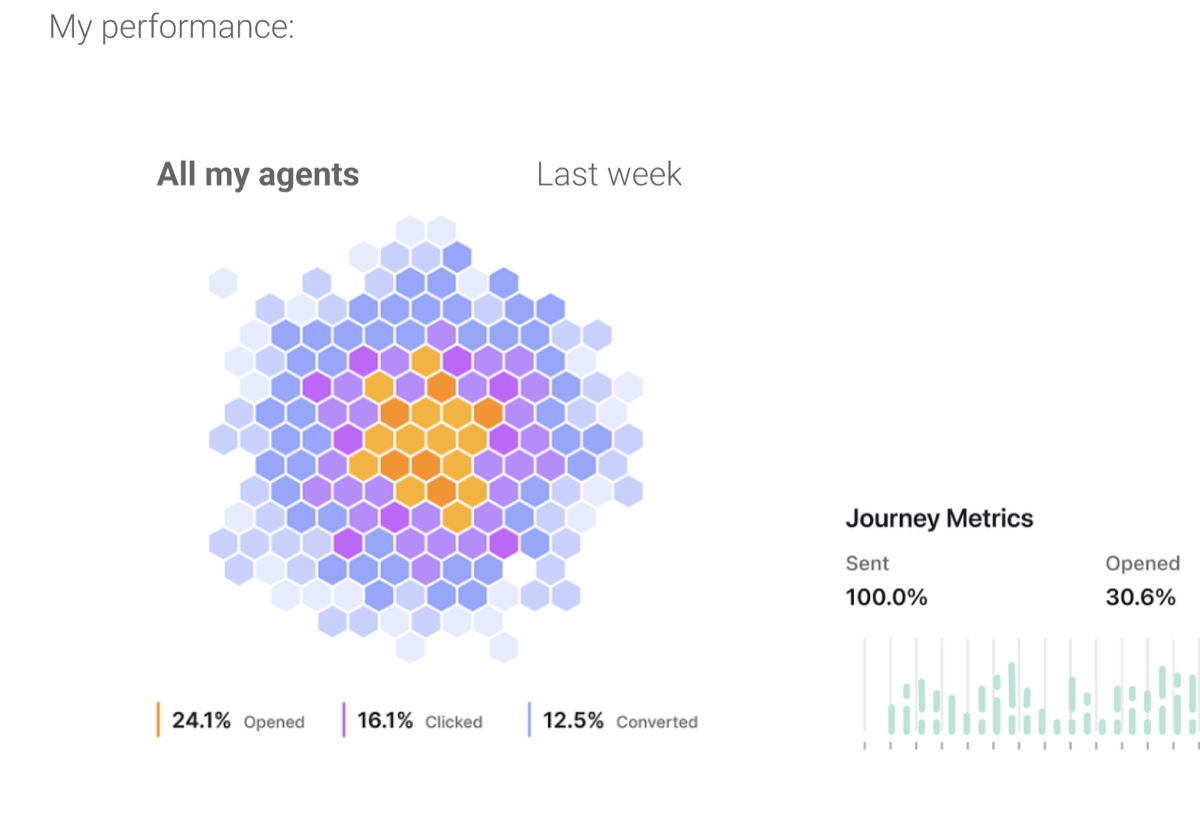
We had it all figured out.
And when I say we figured it all out, I mean it! Look at this—the “Harry & Meghan” agent. This thing would have told you everything you needed to know about them: the historical data of all that was published, by whom, when, everything.
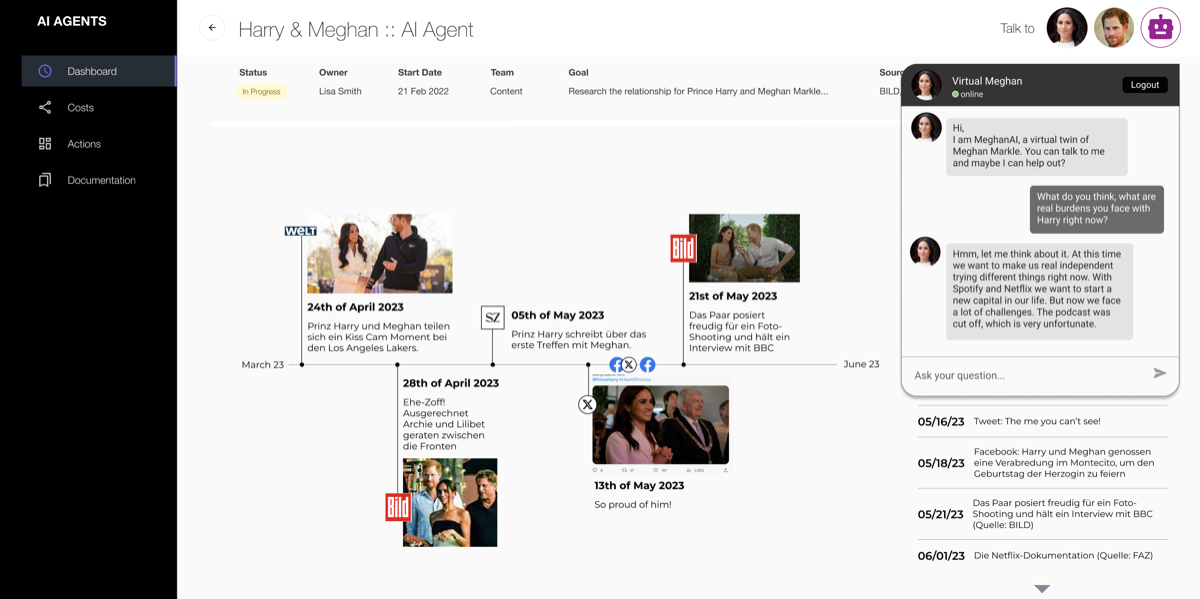
It even had the digital twin up and running, for a quick chat.
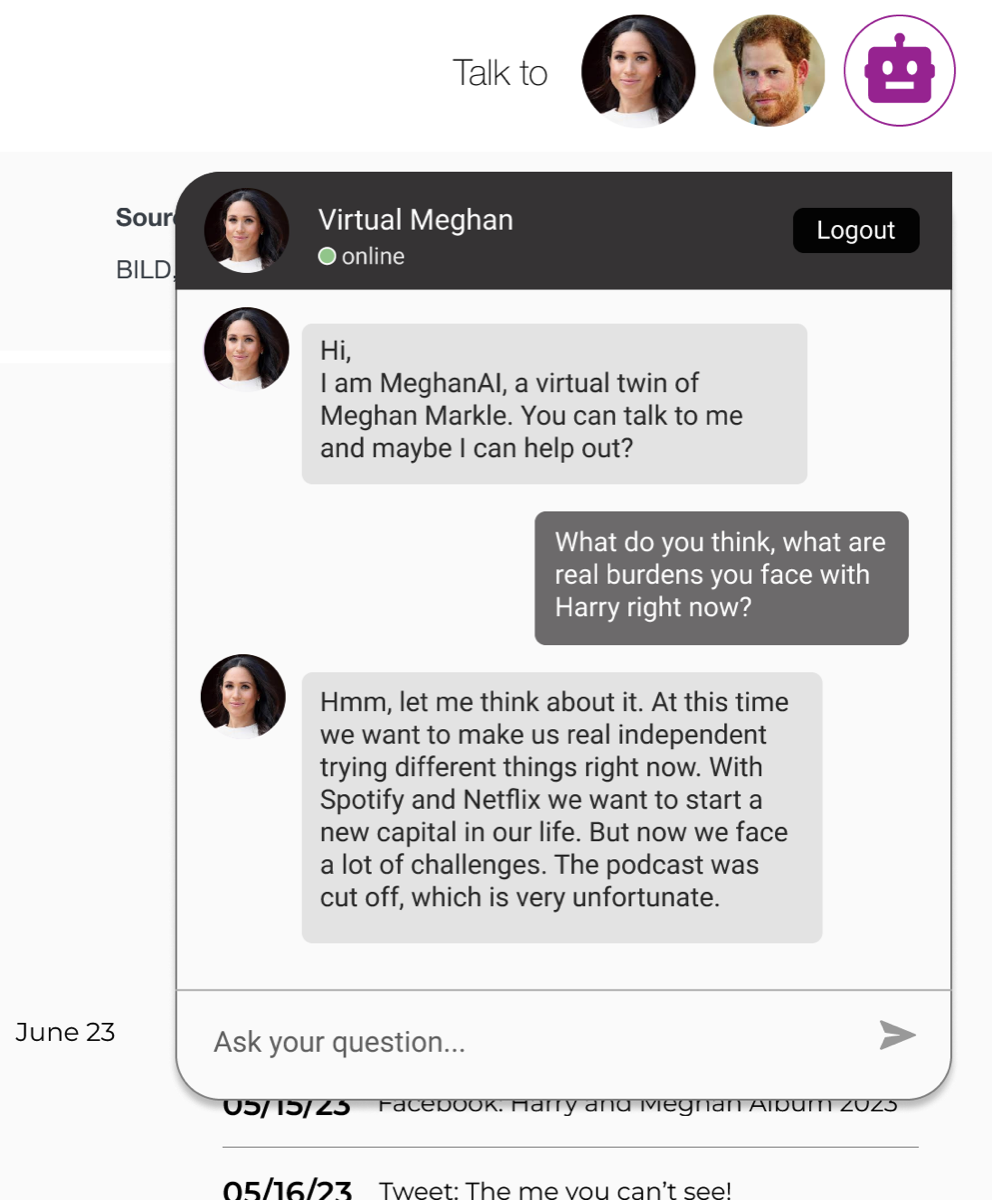
And yet, none of this saw the light of day.
Why? Because the priority was on simpler solutions. Stuff that could solve practical, trivial problems: generating headlines, classification, writing in a particular style, transforming reports into articles.
All undoubtedly useful and instrumental. But a genuine opportunity for innovation was lost. We settled for mediocrity.
Today, the idea is obvious. Orchestration tools everywhere. Agents everywhere.
And so it goes, the lost opportunity.
Now, years later, I can see the main mistake. I was so convinced of the Paperclip Maximizer’s value that I didn’t bother to truly convince the decision-makers.
Throwing a couple of presentations here and there wasn’t enough—even public talks about “agentic design systems” were merely timid attempts. Those ideas needed to be sold as if they were a matter of life and death. Presented, pushed, until the message broke through.
So the lesson here, if there is one: good ideas in corporate environments need to be pushed relentlessly. The everyday noise dampens even the brightest voices.
This, or you go solo.